
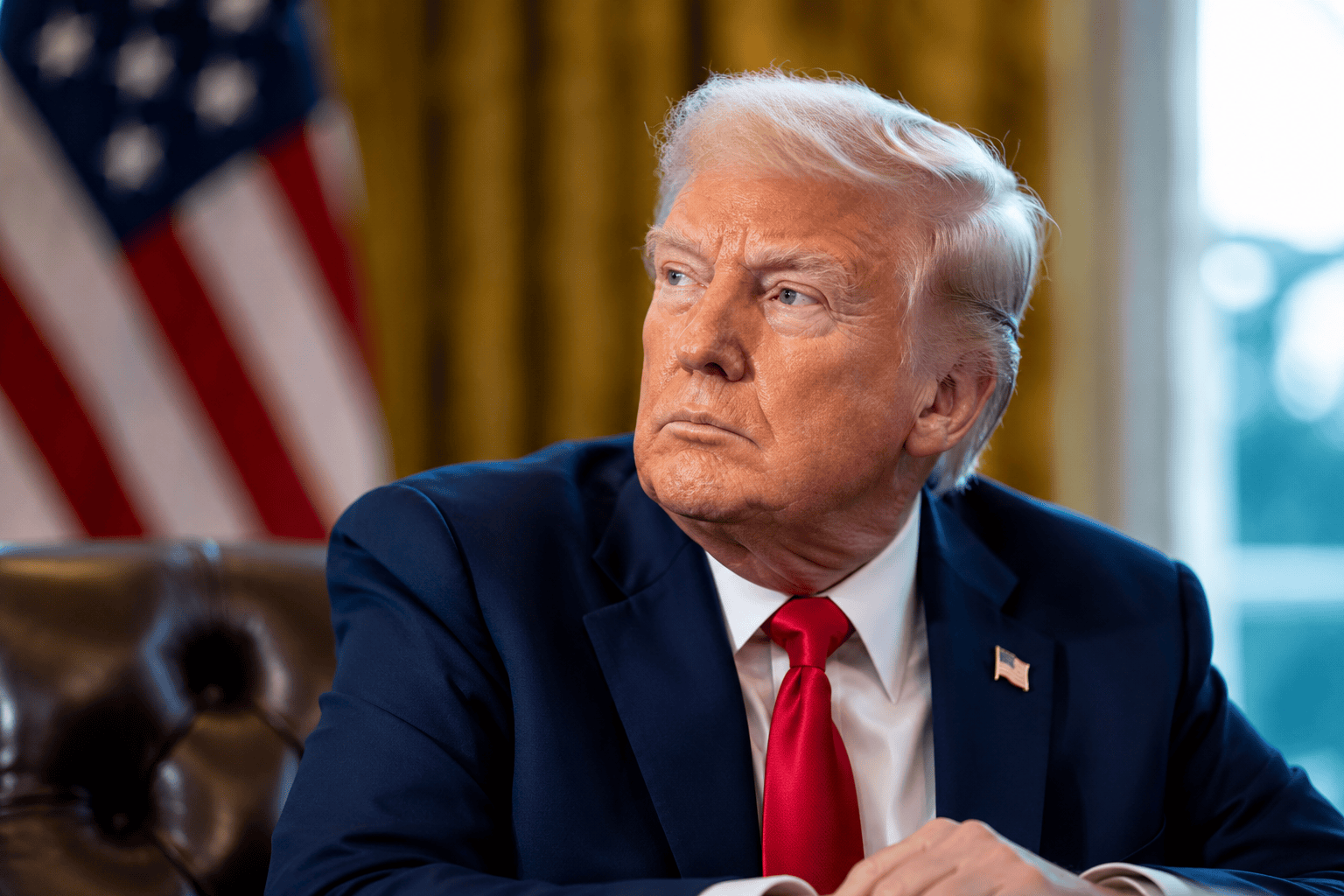
- New sanctions against Russia aim to curb energy exports.
- Secondary tariffs may target nations buying Russian resources.
- Legislation seeks to pressure Russia over its military actions.
In a significant geopolitical move, President Donald Trump has thrown his weight behind a stringent set of sanctions aimed at crippling Russia’s economic lifeline. This initiative, crafted in collaboration with bipartisan senators, extends beyond Moscow, targeting nations that continue to purchase Russian oil and other key resources.
Unprecedented Economic Measures
The proposed sanctions are not just another diplomatic gesture. They represent a calculated strategy to apply economic pressure on Russia by cutting off its lucrative energy exports. The inclusion of secondary tariffs could potentially disrupt global trade dynamics, forcing countries to rethink their reliance on Russian resources.
Global Trade Implications
By targeting major importers of Russian energy, the U.S. aims to isolate Moscow economically. This move could lead to significant shifts in international trade, sparking tensions between the U.S. and other global economies. The broader implications include potential trade disputes and a reevaluation of international alliances.
Awaiting Congressional Approval
The proposed sanctions are poised to be one of the most severe measures against Russia since the conflict in Ukraine began. However, they still require Congress’s approval. If passed, the legislation would mark a pivotal moment in U.S.-Russia relations, escalating economic warfare to unprecedented levels.
Future Outlook
If enacted, these sanctions could reshape the global energy market and redefine geopolitical alliances. For the average consumer, this could translate into changes in energy prices and availability. As the world watches, the potential ripple effects of these sanctions underscore the importance of staying informed.
For more updates, visit liveworldupdates.com.
Geography: North America, United States, Washington, D.C.