
Key points:
- Kyiv and Sofia agreed on a decade-long defense cooperation framework
- Focus on joint drone production and modern military technologies
- Bulgaria’s defense sector accounts for roughly 4% of its GDP
- Agreement also includes cooperation on regional energy infrastructure
Introduction
A new long-term defense agreement between Ukraine and Bulgaria signals a deepening strategic alignment in Eastern Europe, as the region continues to adapt to ongoing security challenges linked to the war in Ukraine.
Main section
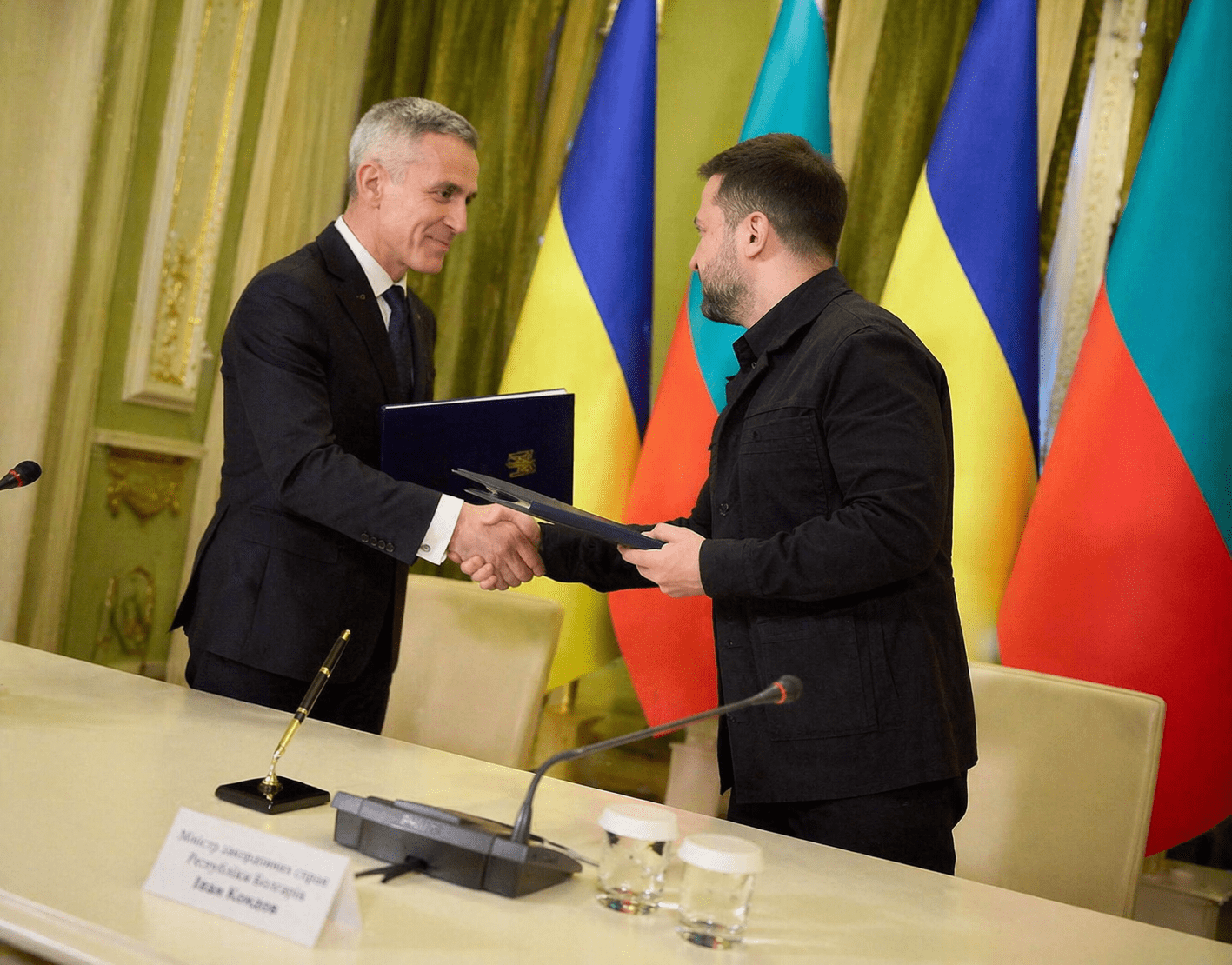
Ukraine and Bulgaria signed a 10-year defense cooperation agreement in Kyiv, aimed at strengthening military capabilities and enhancing technological collaboration. The deal places a strong emphasis on the joint production of drones, which have become a decisive factor in modern warfare, particularly in the ongoing conflict with Russia.
Ukrainian President Volodymyr Zelenskyy described the agreement as a structured framework that will allow both countries to coordinate defense efforts more effectively over time. According to Kyiv, long-term planning is essential given the rapid pace of technological change in the defense sector.
Bulgaria plays a unique role in this partnership. Its defense industry, which contributes approximately 4% to the national economy, has decades of experience in manufacturing weapons based on Soviet-era standards. This expertise is particularly valuable for Ukraine, whose military still relies heavily on compatible systems.
Since the start of Russia’s full-scale invasion in 2022, Bulgaria has emerged as an important supplier of ammunition and military equipment to Ukraine. The new agreement formalizes and expands that cooperation, moving it into a more strategic and long-term phase.
The document was signed on behalf of Bulgaria by acting Prime Minister Andrey Gyurov, who emphasized that the agreement reflects not only bilateral interests but also a broader commitment to Euro-Atlantic security.
Beyond defense, the partnership also includes energy cooperation. Both countries are working on a “vertical gas corridor” project designed to connect Greece with several Southeast European nations. The initiative aims to strengthen energy security and reduce reliance on traditional supply routes.
Analysts note that the combination of military and energy cooperation reflects a broader shift in European strategy, where security is increasingly viewed through both defense and economic lenses.
Conclusion
The Ukraine–Bulgaria agreement highlights how regional alliances are evolving in response to shifting geopolitical realities. By integrating defense production with energy infrastructure, both countries are positioning themselves as active contributors to a more resilient European security architecture. The effectiveness of this approach will depend on implementation and sustained political alignment.
For more global analysis, visit https://www.liveworldupdates.com/.