
#Migration #Europe #Politics #Security #USA #Normandy
- US Defense Secretary Pete Hegseth criticized Europe’s migration policies.
- Described Mediterranean migration as an “invasion” on European shores.
- Comments made during the Normandy D-Day anniversary event.
- Echoes the Trump administration’s stance on tougher immigration measures.
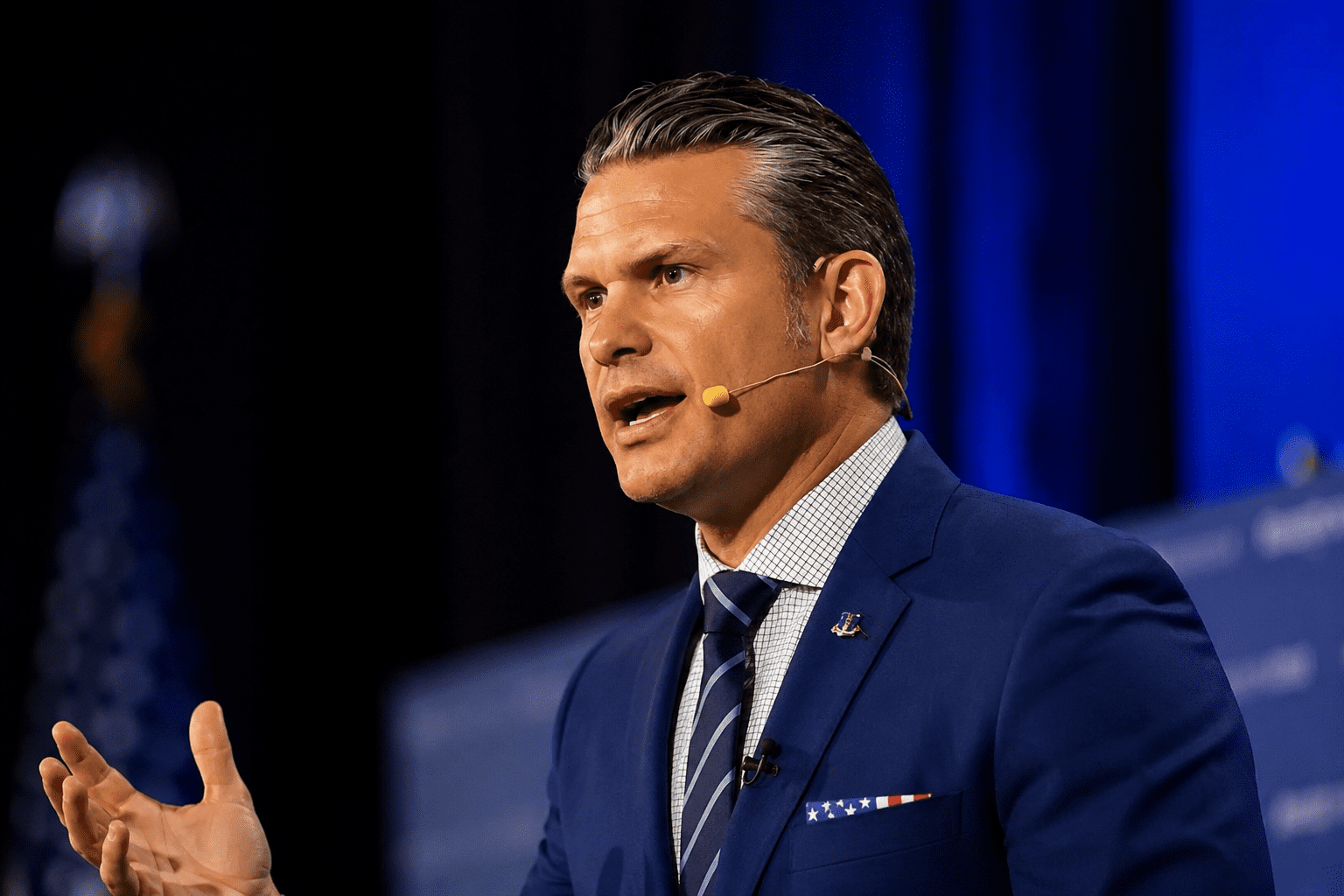
Amid the solemn commemoration of D-Day in Normandy, US Defense Secretary Pete Hegseth unleashed a verbal barrage against Europe’s handling of migration. His stark comparison of Mediterranean migration to an “invasion” on European beaches sent shockwaves across the continent.
Migration Controversy Unfolds
During a remembrance of the historic World War II landings, Hegseth didn’t mince words. He drew parallels between the heroism of past soldiers and what he sees as a current crisis on Europe’s shores. Naming countries like Spain, Italy, Greece, and Bulgaria, he questioned when European leaders would confront this so-called “invasion.” His remarks underscore a broader narrative of the Trump administration’s aggressive stance on immigration.
Why It Matters
The issue of migration remains a tinderbox in European politics, shaping governmental strategies and fueling support for parties advocating stricter immigration controls. Hegseth’s comments align with the US administration’s calls for increased border security, resonating with a segment of the public while drawing ire from others.
Broader Implications
Migratory pressures and their political ramifications extend beyond Europe, influencing transatlantic relationships. Hegseth’s rhetoric, while resonating with certain domestic audiences, risks deepening divides with European allies. The broader geopolitical landscape sees migration as a multifaceted challenge, intertwined with security and humanitarian aspects.
Reactions and Potential Outcomes
Reactions to Hegseth’s speech have been polarizing. While some appreciate the straightforward approach, others warn of increased societal tensions. The debate over migration, both in Europe and the US, is unlikely to fade, remaining a pivotal issue for policymakers and public discourse alike.
Looking Ahead
As the migration debate intensifies, the implications for transatlantic relations are profound. Hegseth’s comments highlight the ongoing struggle to balance national security with humanitarian obligations. Observers will be keenly watching how this dialogue evolves, shaping the future of international cooperation.
For more insights, visit liveworldupdates.com.
Geography: Europe, France, Normandy