
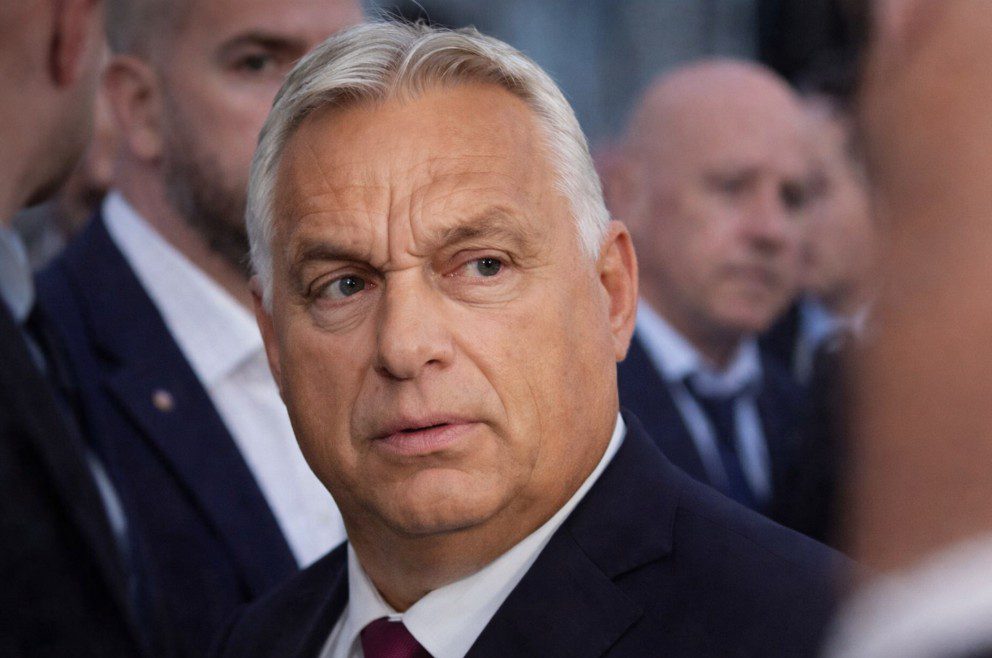
Key Facts:
- Viktor Orbán is one of Europe’s most prominent politicians.
- He emphasizes national sovereignty and conservative values.
- His policies often create tensions with the European Union.
- He plays a crucial role in both regional and global politics.
The Political Phenomenon of Central Europe
Hungarian Prime Minister Viktor Orbán has been a dominant figure in European politics for over a decade. His leadership style, characterized by a strong state, national interests, and rejection of certain liberal principles, sets him apart from most European leaders.
Orbán has successfully established a stable political position at home, yet he remains a controversial figure on the international stage.
Conflicts with the European Union
Relations between Hungary and the European Union have long been tense. Disputes revolve around the rule of law, media freedom, migration, and foreign policy.
Orbán frequently criticizes Brussels for interfering in member states’ internal affairs and advocates for a model of “strong national states.”
Geopolitical Balancing Act
One of the intriguing aspects of Orbán’s policy is his ability to balance relations between the West and the East. Hungary maintains pragmatic ties with both Russia and China, raising questions about its strategic direction.
This approach allows Hungary to diversify its economic and energy relationships, yet it also breeds distrust among its allies.
Domestic Politics and Support
Orbán’s popularity stems from his emphasis on stability, the economy, and security. His rhetoric often highlights the protection of national interests and criticism of globalization.
Analytical Conclusion
Viktor Orbán represents a new type of European leader who challenges the traditional direction of the EU. His policies will continue to influence the trajectory of Central Europe.
Geography: Europe – Hungary – Budapest
#Orban #Hungary #Europe #Politics