
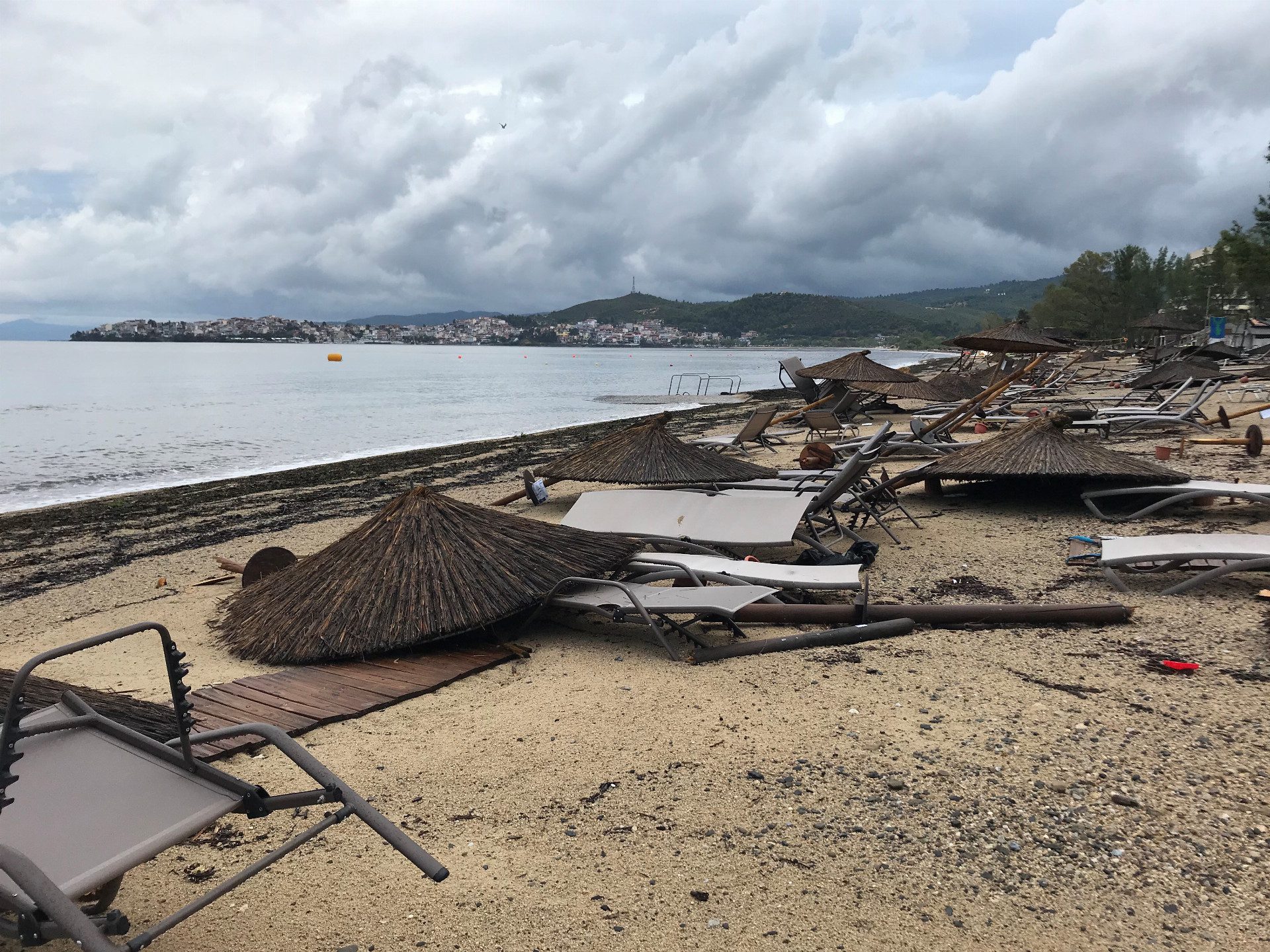
Greece Under Siege: Extreme Weather Conditions Cause Havoc
In a stark reminder of the increasing frequency of extreme weather events in the Mediterranean, Greece finds itself grappling with the aftermath of a powerful cyclonic system. The onslaught of torrential rains, fierce gales, and sudden floods has already claimed its first victim and led to numerous evacuations across the nation. This severe weather event has not only tested the resilience of Greece’s infrastructure but has also raised urgent questions about climate change and its impact on the region.
According to local authorities, the first casualty of this weather phenomenon was a man swept away by floodwaters during a sudden downpour. Rescue teams have been working tirelessly, reporting dozens of evacuations and hundreds of emergency responses. The hardest-hit areas include the western and southern regions of Greece, where rapid rainfall transformed streets into rivers, compromising essential services and hindering daily life.
Infrastructure Under Pressure
Despite recent investments in flood prevention measures, the intensity of the rainfall exceeded meteorological expectations, leaving infrastructure under immense pressure. Experts have long warned that short, intense bursts of rainfall are becoming a hallmark of climate change in the Mediterranean. Urban areas, with their dense populations and inadequate drainage systems, are particularly vulnerable, leading to significant disruptions in power supply and transportation networks.
The Mediterranean’s Climate Reality
The Mediterranean region is one of Europe’s most climate-sensitive areas, characterized by:
- Rising temperatures,
- Prolonged dry spells,
- Followed by intense storms.
This volatile weather pattern creates extreme conditions, where periods of drought are abruptly interrupted by heavy rains, leading to soil erosion and localized disasters. This latest weather event underscores the urgent need for adaptive measures to mitigate the impact of climate variability.
Economic Repercussions
The economic fallout from this severe weather could be substantial, affecting infrastructure, agriculture, and tourism. As the spring marks the beginning of the tourist season, disruptions in transportation could have a ripple effect on the economy. The Greek government has promised a swift assessment of damages and financial aid to affected regions, aiming to restore normalcy as quickly as possible.
Conclusion
The extreme weather conditions in Greece serve as yet another warning that climate fluctuations are becoming the new normal. The critical question now is not if similar events will occur, but how society can effectively prepare for and respond to them. As the world grapples with the realities of climate change, Greece’s experience highlights the urgent need for comprehensive climate strategies at both the national and international levels.
Geography of the Event:
Continent: Europe
Country: Greece
City: Athens / Western coastal regions
For more updates on global weather events, visit Live World Updates.
#GreeceWeather #ClimateChange #MediterraneanStorms #LiveWorldUpdates