
Introduction
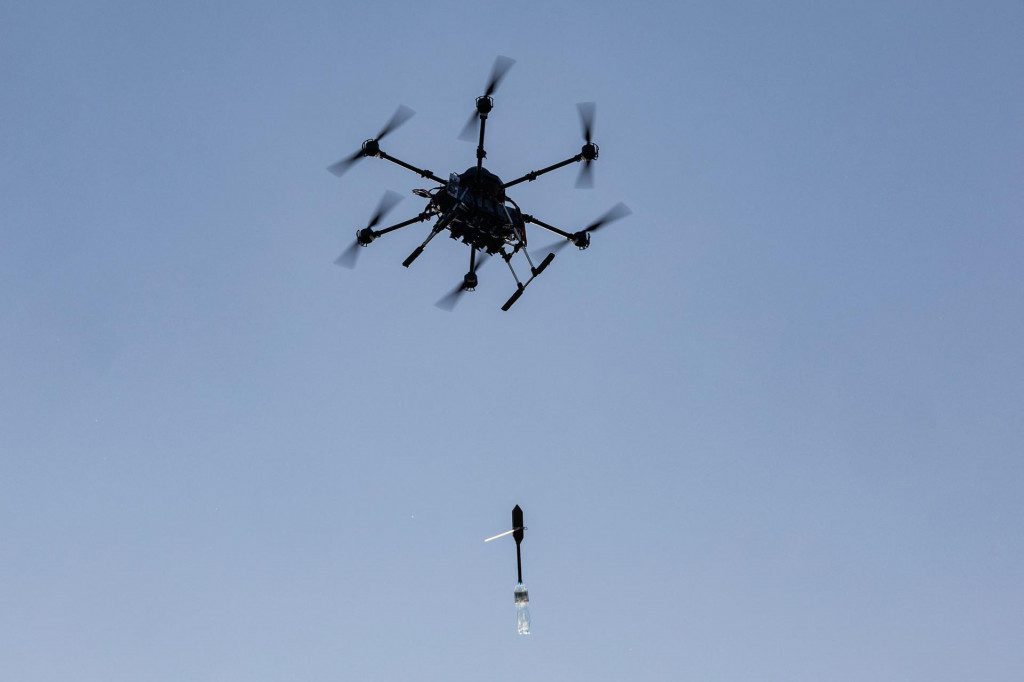
In a significant escalation of the ongoing conflict, Ukrainian drones targeted a Russian oil refinery in Ufa, igniting a large fire that underscored the vulnerabilities of critical energy infrastructure. This attack not only disrupted operations temporarily but also highlighted the expanding reach of drone warfare, illustrating a new dimension in modern military strategy. As the smoke cleared, the incident left both military analysts and global markets reflecting on the implications of such strikes.
Drone Warfare Unleashed
On a seemingly ordinary day, the skies over Ufa, the capital of the Republic of Bashkortostan in Russia, were pierced by Ukrainian drones, which successfully struck the oil refinery. The resulting blaze was visible from miles away, capturing the attention of local residents and international observers alike. Regional authorities managed to contain the fire after several hours, but the damage was already done—the refinery’s operations were temporarily halted, showcasing the potency of modern unmanned aerial systems.
The Strategic Targeting of Energy Infrastructure
Refineries, fuel depots, and logistical hubs are increasingly becoming the focal points of military operations. The strategic aim is clear: to weaken the enemy’s ability to finance and sustain military operations. The implications of such attacks are multifaceted, including:
- Disruption of fuel supplies,
- Increased defense costs,
- Psychological impact on the public.
These factors collectively place enormous pressure on the adversary, complicating their military strategy while simultaneously impacting the civilian population.
Drones: The Weapon of the Future
Drones have emerged as a pivotal element in contemporary conflicts. Their relatively low cost and high precision make them ideal for asymmetric operations that can yield significant tactical advantages. In response to such threats, Russia has been strengthening its air defense systems and enhancing protective measures around key strategic assets.
Market Reactions and Economic Impacts
News of attacks on energy facilities often triggers short-term fluctuations in oil prices. Investors react to the perceived risk of production and export disruptions, which can lead to broader economic ramifications. The attack on Ufa’s refinery is no exception, with market analysts closely monitoring the situation.
Conclusion
The assault on the Ufa refinery signifies a shift in the nature of warfare, extending beyond traditional front lines into the heart of enemy territory where infrastructure becomes a strategic objective. As the conflict continues to evolve, the impact of such strikes on both military dynamics and global markets remains a critical area of focus.
Geography of the Event:
Continent: Europe / Asia
Country: Russia
City: Ufa
#DroneWarfare #EnergySecurity #UfaAttack #MilitaryStrategy