
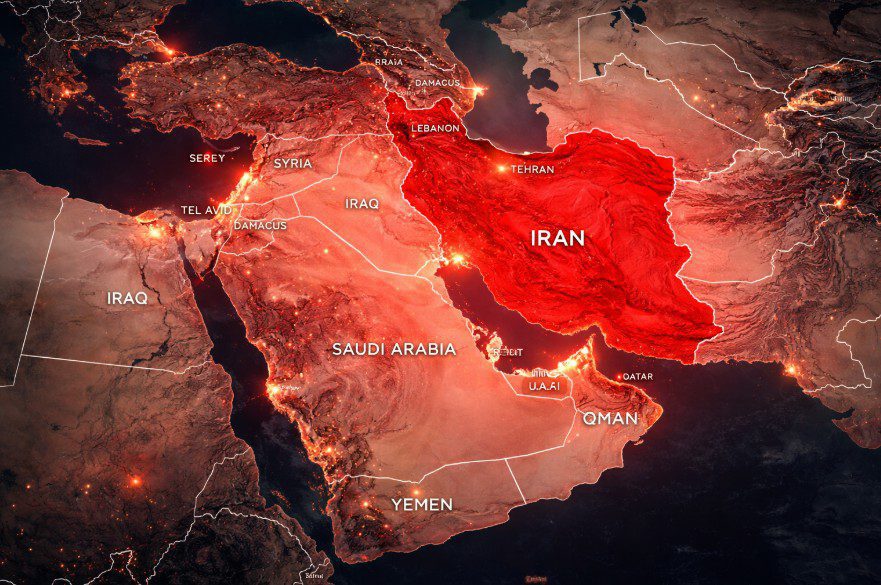
Iran Warns Against U.S. Ground Operations Amid Escalating Tensions in the Middle East
Summary:
- Iran declares readiness to counter any potential U.S. ground operations and threatens retaliation against its allies.
- American media reports on potential special operations; the Pentagon has not officially commented.
- The conflict is expanding to Lebanon, Bahrain, and the United Arab Emirates.
- The economic ramifications of the war are already impacting global markets and the economies of multiple countries.
Tensions between Iran, the United States, and their allies have intensified dramatically in recent days. The Iranian leadership has openly declared its readiness to confront any potential U.S. ground operations, simultaneously warning of severe retaliatory actions against Washington’s regional partners. Developments suggest that the Middle East conflict is entering a new, potentially hazardous phase.
According to Reuters, Mohammad Bagher Ghalibaf, the Speaker of Iran’s Parliament, stated that the Iranian armed forces are prepared to respond to any ground operation. His statements followed reports from The Washington Post about possible preparations for U.S. military operations that could include deploying special forces and limited ground interventions. The Pentagon has not yet commented on these reports.
Expanding Conflict and Regional Consequences
The situation in the Middle East is further complicated by the involvement of additional actors. Israel has expanded its security zone in southern Lebanon following a series of attacks by Hezbollah, acting in solidarity with Iran. Israeli airstrikes in the region have resulted in civilian casualties and extensive material damage.
Meanwhile, Iran has admitted to attacks on strategic industrial targets in Bahrain and the United Arab Emirates. Significant aluminum plants were affected, indicating Tehran’s attempt to strike at the economic infrastructure of its adversaries. This move signifies an escalation towards a broader regional confrontation.
Concerns are also rising over security threats to American institutions in the area. The American University of Beirut shifted to remote learning following warnings from Iran’s Revolutionary Guards, responding to attacks on Iranian universities.
Political Signals and Diplomatic Rhetoric
Statements from Iranian officials reveal deep mistrust towards the United States. Ghalibaf accused Washington of a dual policy, publicly discussing peace negotiations while allegedly preparing military operations. The rhetoric from the American side also indicates a firm stance, with the White House spokeswoman warning that President Donald Trump has various military scenarios at his disposal, including escalating the conflict.
This verbal conflict increases the risk of misinterpreting actions on both sides, potentially leading to unintentional escalation. Analysts caution that even a limited incident could escalate into a broader conflict amidst heightened tensions.
Economic Impacts and Global Consequences
The Middle Eastern war is already having significant economic repercussions. The Indian government has warned that rising energy prices could threaten the country’s anticipated economic growth. European economies, including Italy, declare readiness to absorb negative impacts, yet market uncertainty persists.
The luxury goods sector is also affected. Shares of leading companies like LVMH and Hermès have seen significant declines. Luxury car manufacturers, including Ferrari and Maserati, have temporarily suspended shipments to the Middle East, reflecting growing security and logistical risks.
A prolonged internet outage in Iran, lasting about a month according to NetBlocks, highlights the regime’s efforts to control information flow and limit access to external sources.
For a broader context of the global security and economic impacts of conflicts, follow analyses on the Live World Updates portal, which monitors current geopolitical trends.
Media and Humanitarian Aspects
The conflict also impacts media and civilian infrastructure. An office of the Qatari television network in Tehran was hit, with the incident yet to be officially explained. Iran has accused Israel of the targeted killing of journalists in Lebanon, labeling it a violation of international law.
Such events heighten concerns about the safety of civilians and journalists in conflict zones, complicating independent reporting on the war’s progress.
Conclusion
Developments in the Middle East suggest that the conflict between Iran and the United States could deepen further. The combination of military preparations, sharp political declarations, and regional skirmishes creates an unstable environment with potentially global consequences. A key factor will be whether diplomatic dialogue can be reinstated or if the conflict enters a new, more intense phase.
Geography: Middle East, Iran, United States
#MiddleEastTensions #IranUSConflict #GlobalSecurity #EconomicImpact