
Unrest in Israel Amid Rising Tensions
In a dramatic weekend of protests across Israel, opposition to the ongoing Middle Eastern conflict is becoming increasingly visible. Demonstrations erupted in major cities such as Tel Aviv and Haifa, drawing crowds in defiance of emergency regulations that limit public gatherings. These protests emerge as tensions between Israel and Iran escalate, with the regional implications of the conflict widening.
Police Intervention and Legal Framework
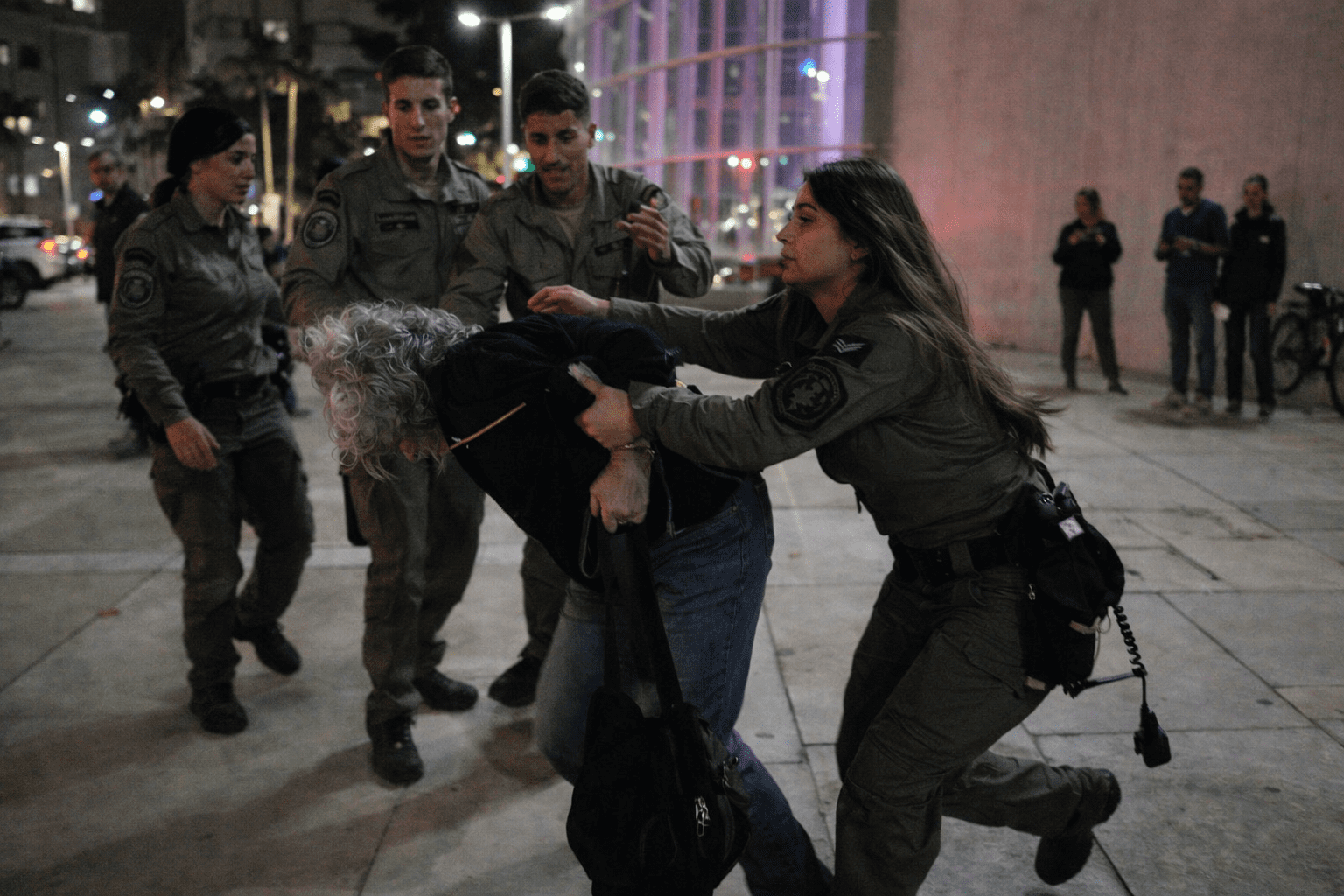
The Israeli authorities have labeled these protests as illegal due to wartime security measures that restrict gatherings to a maximum of 50 people. Despite these restrictions, hundreds took to the streets, leading to police intervention. In Tel Aviv, 13 people were detained, while another five were arrested in Haifa. Reports suggest that some demonstrators obstructed traffic and refused to comply with police instructions.
The crackdown has faced criticism from protest organizers, including the activist group Standing Together, who accuse the authorities of suppressing dissenting voices.
Growing Yet Minority Opposition
While the number of protest participants is gradually increasing, it does not yet match the scale of last year’s mass demonstrations related to the Gaza conflict. According to the Israel Democracy Institute, approximately 78% of Israel’s Jewish population supports military operations against Iran. In contrast, only about 19% of the Arab minority shares this sentiment.
Interestingly, there is a notable increase in the number of people opposing the war. The percentage of those against the conflict rose from about 4% in early March to over 11% currently. This trend suggests a potential shift in public opinion, especially if the conflict continues.
Regional and International Context
The protests are part of a broader picture of rising tensions in the Middle East. The conflict between Israel and Iran has intensified following a series of military operations and retaliatory attacks involving other regional players. This escalating tension has the potential to destabilize the entire region, crucial for global security and energy markets. Each escalation could have repercussions far beyond the Middle East.
For more in-depth analyses of the conflict’s development and its impact on global politics, visit Live World Updates.
Impact on Society and Democracy
The police crackdown on protests brings to the fore a broader debate about balancing security and civil rights during wartime. While Israeli authorities emphasize the need to protect the public and prevent security risks, critics warn of the curtailing of assembly freedoms.
Such tension between security measures and democratic principles is not uncommon in conflict situations but can have long-term implications for the country’s political stability.
Analytical Conclusion
The protests in Israel demonstrate that even amid high security tensions, there is a segment of the society questioning the course of the conflict. Although this is currently a minority view, its gradual growth may influence the internal political dynamics.
The developments in the coming weeks will depend not only on the military situation but also on the government’s ability to manage internal tensions without further exacerbating societal divides.
Geography: Middle East
#Israel #Protests #MiddleEastConflict #PublicOpinion