
Key facts:
- German Chancellor Friedrich Merz openly criticizes the work pace of Germans
- He warns that current trends may weaken the country’s economic strength
- Points to stronger economic dynamics in the United States and China
- Calls for urgent reforms in taxes, energy costs and the pension system
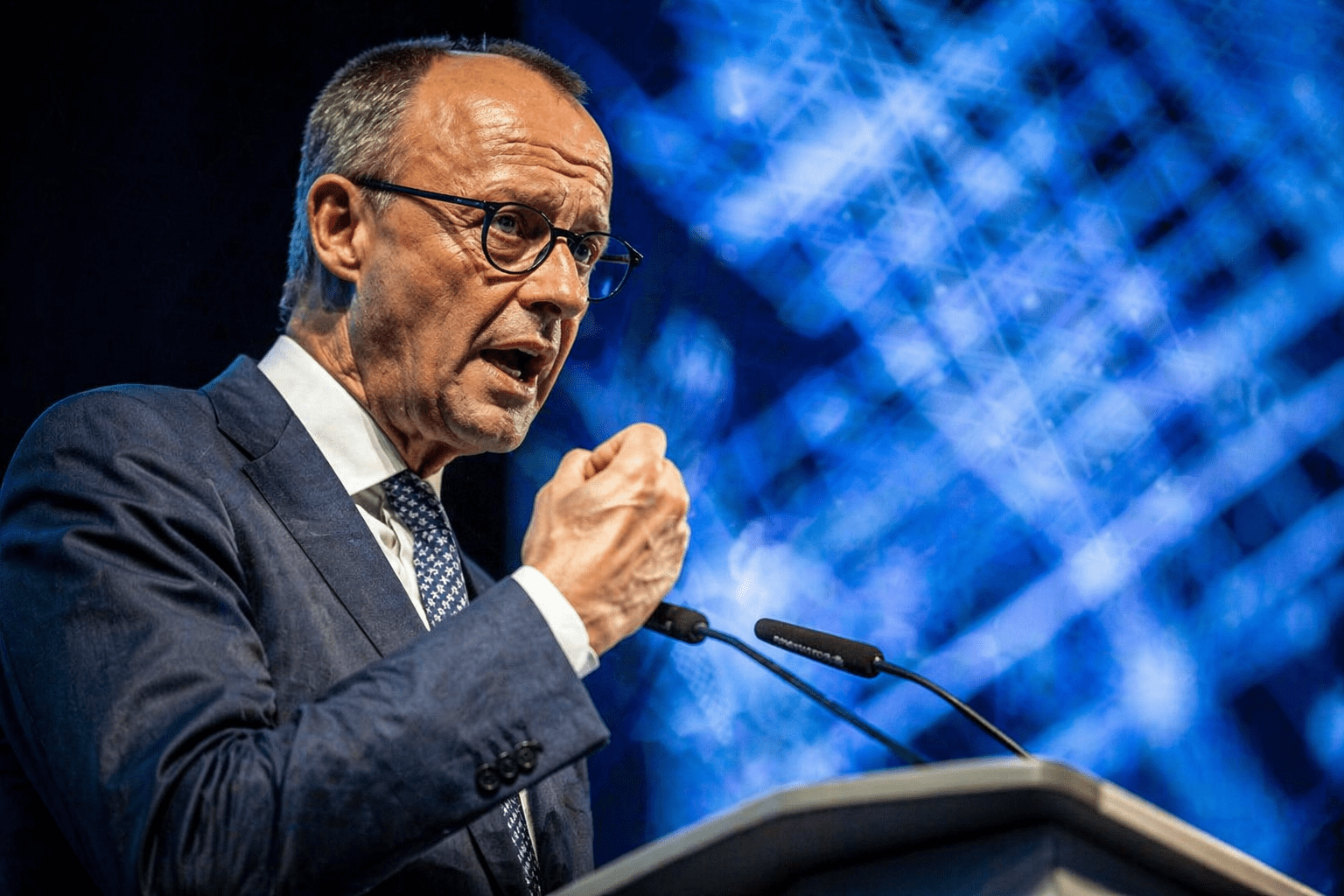
German Chancellor Friedrich Merz has sparked a nationwide debate after delivering unusually direct criticism of his own country’s work culture and economic performance. Speaking at a high-profile event in Berlin, Merz warned that Germany risks losing its competitive edge unless it fundamentally changes its approach to productivity and reform.
His remarks come at a sensitive moment for Europe’s largest economy, which has been facing slowing growth, rising costs and structural challenges. According to Merz, Germany has become “too comfortable” and is no longer keeping pace with global competitors.
The Chancellor drew comparisons with the United States and China, highlighting what he described as a stronger sense of dynamism and willingness to work in those economies. In contrast, he suggested that Germany is struggling with declining momentum and insufficient efficiency, raising concerns about long-term economic sustainability.
At the center of his criticism is the ongoing debate around work-life balance and reduced working hours. Merz warned that policies such as a four-day workweek could undermine Germany’s ability to maintain its current standard of living. While such ideas have gained traction in parts of Europe, he argued that they may not align with the economic realities facing the country.
His comments also signal increasing pressure within the ruling coalition. Merz made it clear that he expects faster progress on key reforms and expressed dissatisfaction with the current pace of decision-making. He indicated that discussions with coalition partners would intensify, particularly regarding measures aimed at strengthening competitiveness.
Among the priorities outlined by the Chancellor are lowering energy costs, reforming the tax system and improving efficiency within the healthcare sector. These areas have long been identified as critical for Germany’s economic resilience, especially in light of global competition and shifting geopolitical conditions.
One of the most sensitive issues raised by Merz is the future of the pension system. He warned that the current state-funded model may no longer be sufficient to maintain living standards in the long term. Instead, it could serve only as a basic safety net, suggesting that additional private savings mechanisms may become increasingly necessary.
Economic analysts note that this debate reflects deeper structural questions facing Germany. An aging population, industrial transformation and global competition are forcing policymakers to reconsider long-standing assumptions about work, welfare and productivity. In this context, Merz’s statements can be seen as an attempt to prepare both the political system and the public for potentially difficult reforms.
At the same time, his remarks have triggered criticism from those who argue that increased pressure on workers may not be a sustainable solution. Critics warn that productivity gains must also come from innovation, investment and modernization, rather than solely from longer or more intensive work.
The broader implications extend beyond Germany. As a key economic engine of the European Union, any shift in Germany’s policy direction could have ripple effects across the continent, influencing debates on labor markets, social policy and economic strategy.
For more global analysis and breaking developments, visit https://www.liveworldupdates.com/.
Merz’s statements highlight a pivotal moment for Germany’s future. The country now faces a complex balancing act: adapting to new economic realities while preserving social stability. The outcome of this debate will likely shape not only Germany’s trajectory but also broader European economic policy in the years ahead.