
Massive Nationwide Protests Erupt Across the United States
The United States witnessed one of the largest protest mobilizations in recent years, as millions of Americans took to the streets to protest against President Donald Trump. According to organizers, this wave of demonstrations took place simultaneously across all 50 states, marking the most significant display of civic opposition since the start of Trump’s second term in January 2025.
Organized by the civic movement No Kings, the protests saw participation at over 3,300 events nationwide, drawing at least eight million people. Although official figures have not been released by U.S. authorities, the scale of mobilization indicates a substantial level of societal discontent, reflecting widespread unrest and dissatisfaction with the current administration.
Protests Sparked by Escalating Foreign Policy Tensions
This current wave of protests coincides with rising geopolitical tensions, particularly involving conflicts between the United States, Israel, and Iran. The military actions supported by Washington against Iran in late February have been one of the primary mobilizing factors for protestors. Organizers highlight the protests as a reaction to a combination of domestic and foreign policies perceived as destabilizing and risky from a global security perspective.
Peaceful Demonstrations Marred by Local Incidents
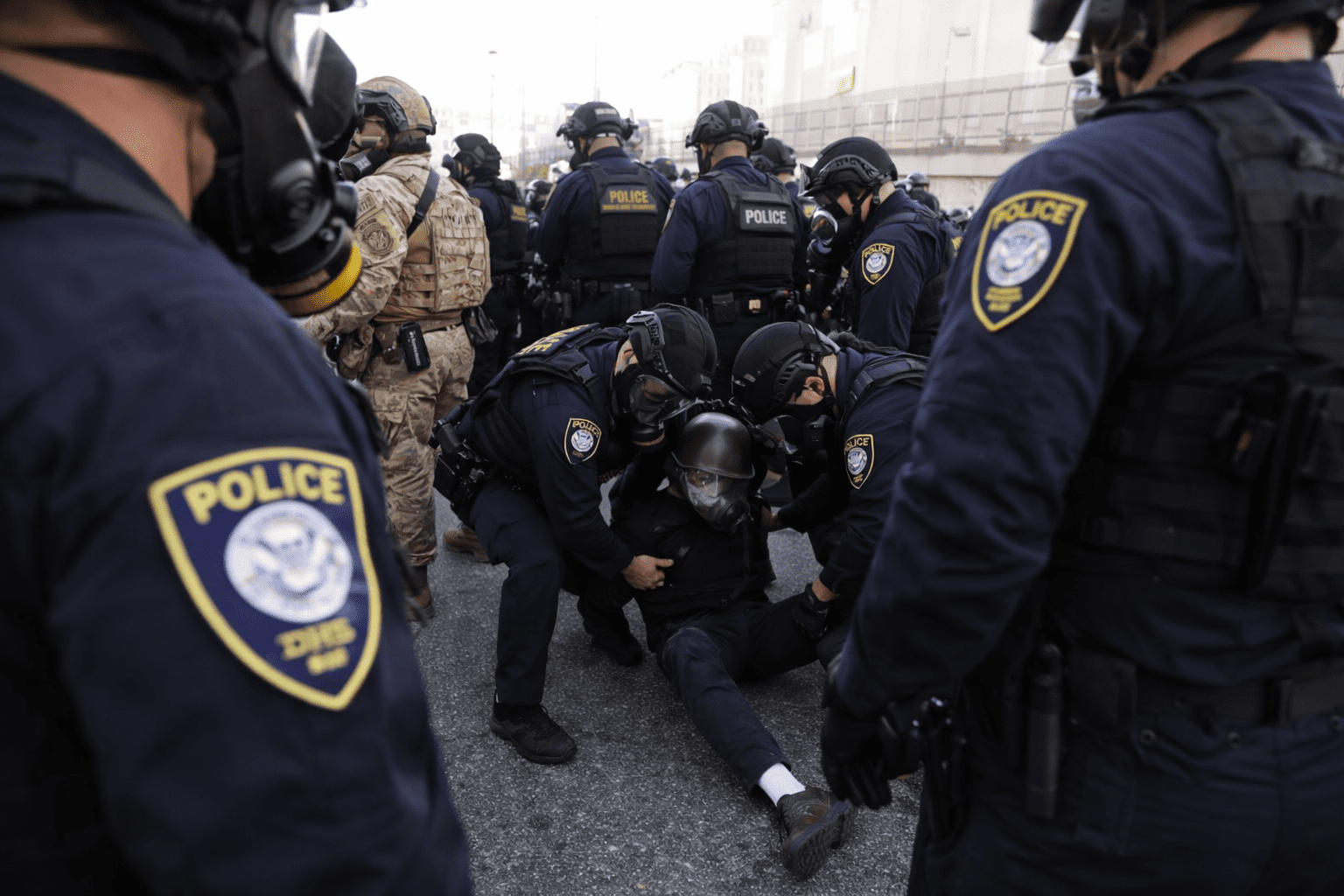
While the majority of the protests were peaceful, as evidenced by footage from various locations, incidents did occur. In Los Angeles, security forces intervened after a group of protestors threw objects towards a federal detention facility. The police responded with tear gas and detained several individuals who refused to disperse. Similar interventions were reported on a smaller scale in other cities, underscoring the tension between demonstrators and law enforcement.
White House Response: Questioning Legitimacy
The Trump administration dismissed the protests, with White House spokeswoman Abigail Jackson labeling them as products of “left-wing financial networks,” questioning their authenticity. According to Jackson, these actions lack genuine public support and their significance is exaggerated by the media. This response reflects the deepening polarization within American society in recent years.
Growing Protest Movement and Its Dynamics
Saturday’s demonstrations marked the third significant mobilization by the No Kings movement in less than a year. Organizers report an increase of approximately one million participants compared to previous protests in October, with hundreds more events taking place. This trend suggests that the protest movement is capable of maintaining its momentum and gradually expanding its base, aided by social media and decentralized organization, which facilitate rapid mobilization.
Implications for U.S. Politics and International Standing
These mass protests could have broader consequences not only for domestic politics but also for the international standing of the United States. Growing internal opposition may influence the administration’s decision-making, especially regarding foreign policy and military operations. Moreover, it serves as a signal to both allies and rivals that American society is deeply divided on key issues, potentially affecting the U.S.’s credibility on the global stage.
For in-depth analyses of political developments and their global impact, visit Live World Updates, which covers key global events within a broader context.
Analytical Conclusion
The sheer scale of these protests indicates that opposition to President Trump remains strong and capable of nationwide mobilization. Despite the administration’s attempts to downplay their significance, these protests are a critical indicator of the current social climate. The future will depend on whether this protest movement can translate into political influence or remains primarily a symbolic expression of dissent.
Geography: United States
#TrumpProtests #AmericanPolitics #GeopoliticalTensions #LiveWorldUpdates