
G7 Summit Reveals Tensions Over Russia Strategy
Summary:
- Kaja Kallas criticized the US for insufficient pressure on Russia.
- Marco Rubio responded defensively, defending Washington’s policy.
- The dispute occurred during the G7 meeting in France.
- The discussion highlighted differences between the US and EU regarding the Ukraine war.
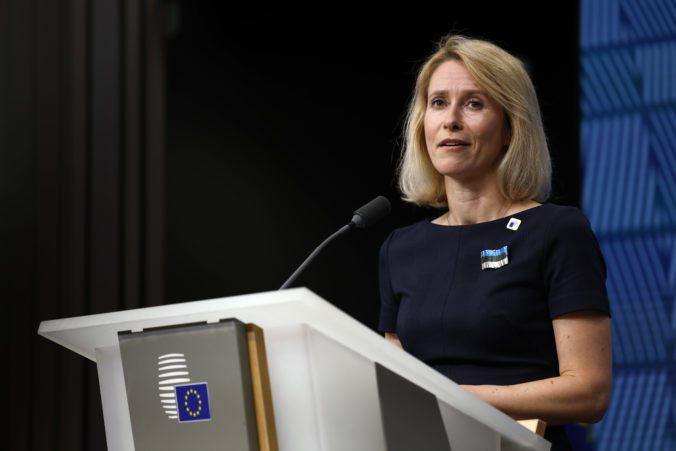
The G7 Foreign Ministers’ meeting in France was marked by tension when the European Union’s foreign policy chief, Kaja Kallas, openly criticized the United States for what she perceives as a lack of sufficient pressure on Russia concerning the ongoing war in Ukraine. Her remarks prompted a sharp response from US Secretary of State Marco Rubio, underscoring growing differences between transatlantic partners.
The conversation focused on the next steps toward Moscow, with the European side advocating for a tougher stance, while Washington emphasized a combination of diplomatic efforts and support for Kyiv.
Open Criticism and Sharp Response
According to available information, Kallas reminded the American secretary of his previous statements that the United States would increase pressure on Russia if the conflict did not move towards a resolution. “A year has passed, and the situation remains unchanged. When will your patience run out?” she reportedly asked during the meeting.
Rubio responded sharply, defending Washington’s approach. He emphasized that the US is doing its utmost to end the war, including diplomatic contacts with both sides of the conflict. He also reminded that the US provides military and intelligence support exclusively to Ukraine.
The exchange of views reportedly took place in a tense atmosphere, although the American side later publicly denied any conflicts during the meeting.
Different Western Strategies
The dispute highlights differing approaches between the European Union and the United States. While several European countries, particularly those on the EU’s eastern flank, demand tougher sanctions and unequivocal pressure on Russia, Washington seeks to combine pressure with diplomatic channels.
This difference is partly due to geopolitical priorities. European countries view the conflict in Ukraine as a direct security threat, while the United States must also balance other global challenges, including situations in Asia and the Middle East.
Political Context and Leaders’ Statements
The tension at the meeting comes at a time when the American political scene is sending mixed signals. Former President Donald Trump recently labeled Ukrainian President Volodymyr Zelensky as an obstacle to a peace deal, while portraying Russian President Vladimir Putin as ready to negotiate.
Such statements, according to analysts, may weaken Western unity and create room for different interpretations of the war’s goals and possible solutions.
Attempt at Reconciliation
Despite the sharp exchange of views, Kallas and Rubio reportedly attempted to calm the situation with an informal conversation at the end of the meeting. Several European ministers also expressed support for continuing American diplomatic efforts.
According to American sources, this is a common part of diplomatic negotiations, where open exchanges of views help define common positions.
Analytical Conclusion
The tension at the G7 meeting revealed growing differences among Western allies regarding the strategy towards Russia. While the goal – ending the war in Ukraine – remains common, the paths to achieving it differ.
The future will show whether the unity of the transatlantic partnership can be maintained, which is crucial for an effective response to the conflict. As analyses on the Live World Updates portal highlight, coordination between the US and Europe will be a decisive factor in the further development of the war.
Geography: France
#G7 #UkraineWar #TransatlanticRelations #Diplomacy