
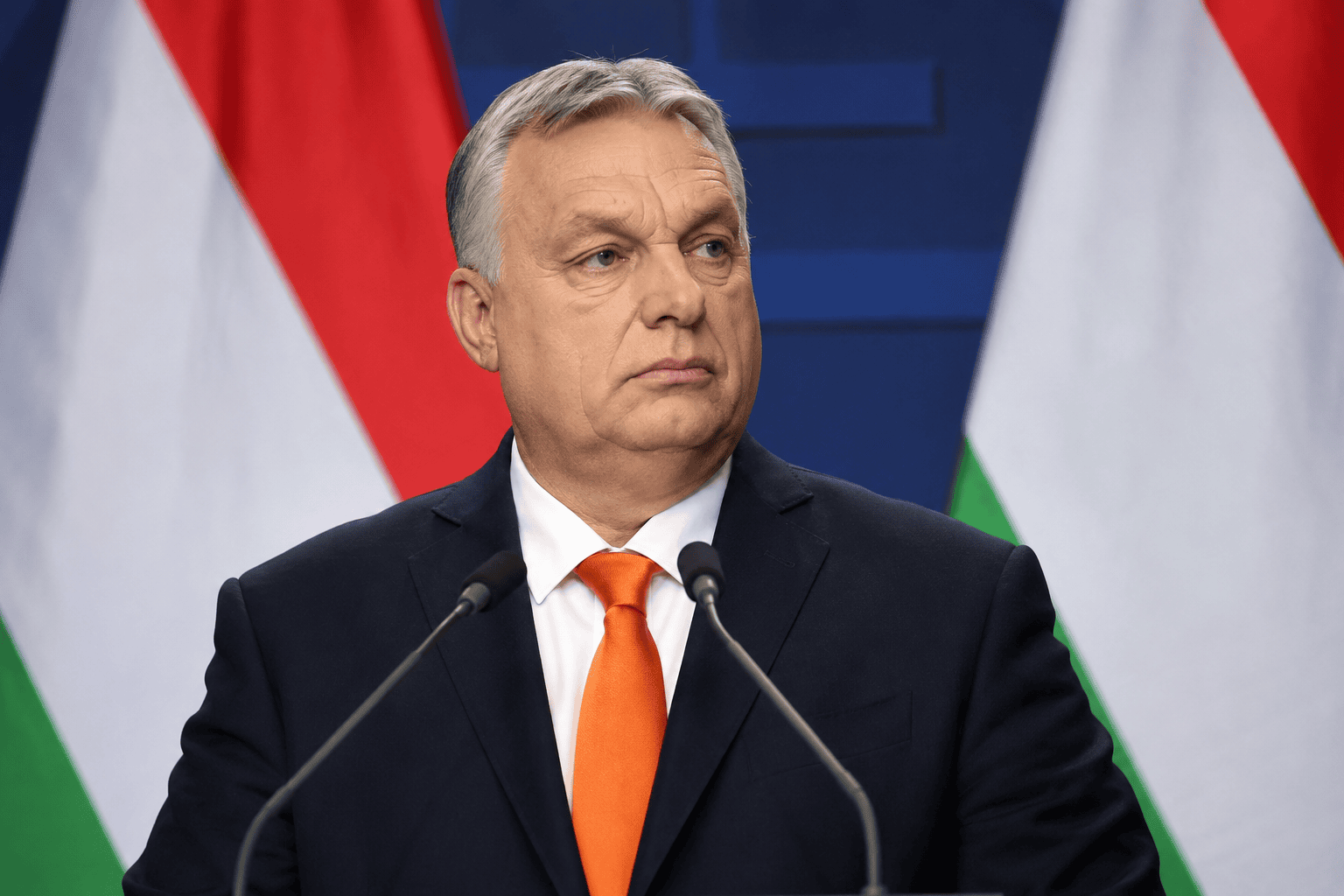
- Hungary’s Viktor Orbán meets Poland’s Jarosław Kaczyński in Warsaw.
- The meeting marks the first significant dialogue after years of tension.
- Key topics include European Union’s future and Ukraine conflict.
- Political shifts in Central Europe bring renewed focus on collaboration.
A pivotal meeting in Warsaw has the potential to reshape alliances in Central Europe. As Hungary’s Prime Minister Viktor Orbán and Poland’s political heavyweight Jarosław Kaczyński sit down for talks, a new chapter could be written in the region’s political landscape.
The Meeting That Could Change Central Europe
In Warsaw, a city that has witnessed countless historical shifts, Viktor Orbán and Jarosław Kaczyński are set to discuss pressing issues affecting Central Europe. This meeting signifies more than just a conversation; it represents a potential thaw in relations that have been cold since differing views on the Ukraine conflict emerged.
Why This Matters Now
As two of Central Europe’s most influential leaders, Orbán and Kaczyński’s dialogue could redefine political alliances. Their discussions are expected to cover the future of conservative cooperation, security challenges, and the European Union’s trajectory. The stakes are high, as their positions on these topics will influence broader regional dynamics.
Context of Geopolitical Shifts
The backdrop of this meeting is a Central Europe grappling with political changes. With Hungary experiencing governmental shifts and Poland’s ongoing political contests, the region is at a crossroads. The outcomes of these discussions could set the tone for future cooperation among conservative forces in Europe.
Reactions and Possible Outcomes
While the meeting is a step towards mending fences, analysts caution that differences remain, particularly regarding the Ukraine conflict. However, both leaders share a vision for a stronger role of nation-states within the EU, which might serve as common ground for renewed collaboration.
Looking Ahead: What This Means for the Future
The implications of this meeting extend beyond Budapest and Warsaw. For observers of European politics, the reconciliation between Orbán and Kaczyński could signal a shift in how conservative parties across Europe engage with each other. As the continent faces complex challenges, these discussions could lay the groundwork for a more united conservative front.
For more insights into geopolitical developments, visit liveworldupdates.com.
Geography: Europe, Poland, Warsaw