
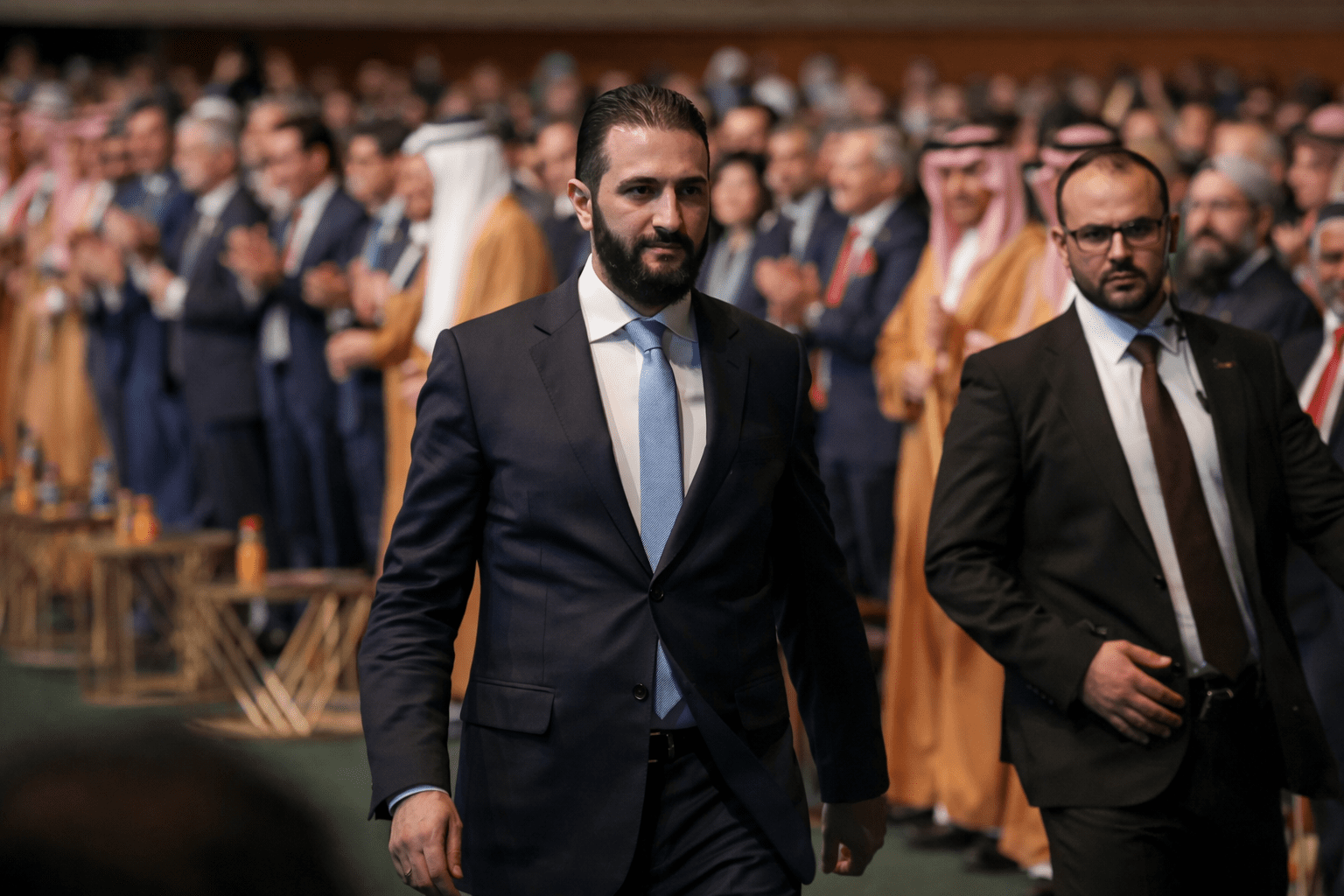
Syrian President’s Visit to Germany: An Opportunity and a Challenge
The interim Syrian President Ahmad Shara’s visit to Berlin marks a critical juncture in the ongoing dialogue between Syria and Europe. This visit comes at a time of enduring conflicts and escalating political controversies, as Shara is set to meet with German Chancellor Friedrich Merz. The discussions are expected to focus on the return of refugees and the reconstruction of war-torn Syria, but they are not without opposition from both the public and political factions.
Originally scheduled for early this year, the visit was postponed due to the escalation of hostilities between the Syrian army and Kurdish forces. The current negotiations are anticipated to have a significant impact not only on bilateral relations but also on the broader European migration policy.
Refugee Repatriation: A Central Issue
One of the primary topics of discussion is the repatriation of Syrian refugees. Germany has accepted approximately one million Syrians over the past decade, making it one of the main destinations for refugees in Europe. However, integrating migrants remains a complex challenge, involving social issues and economic costs.
Shara’s government has expressed interest in the return of its citizens and the country’s reconstruction, yet human rights organizations warn that conditions in Syria are still unsafe. Ongoing conflicts, a lack of infrastructure, and fears of reprisals against certain groups make repatriation a risky proposition for many refugees.
Controversial Past and Protests
President Shara’s persona evokes strong reactions. Before taking office, he was associated with the Islamist group Hay’at Tahrir al-Sham, which had historical ties to extremist networks. Although he has distanced himself from his past and vowed to cooperate with the West, trust in his leadership remains limited.
Kurdish and Alawite communities in Germany have already announced protests against his visit. Critics point to alleged repression against minorities and a lack of political reforms. Human rights organizations warn that legitimizing Syria’s current leadership without clear guarantees could undermine pressure on upholding international law.
Economic Reconstruction and Investment
The second critical issue is the economic reconstruction of Syria. After more than a decade of conflict, the country’s infrastructure is severely damaged and its economy weakened. During his visit, Shara aims to appeal to German companies to invest in the recovery of key sectors—from energy to transportation.
For Germany, this poses a strategic dilemma. On one hand, supporting reconstruction could contribute to regional stabilization and reduce migration pressure. On the other hand, investing in a country with an uncertain political situation and security risks presents significant challenges.
Analysts, whose assessments are monitored by platforms like Live World Updates, argue that creating credible conditions for foreign investors while ensuring transparency in processes will be crucial.
European and Geopolitical Dimension
The visit also holds broader significance in the context of geopolitics. European countries are seeking ways to respond to the situation in Syria following the fall of Bashar al-Assad’s regime and the subsequent transformation of political power. The question remains whether Shara’s government is capable of ensuring stability and representing the country on an international level.
This visit tests Europe’s willingness to engage with new political actors in the region, even as their pasts raise questions. The outcome of the talks in Berlin could influence future EU policy toward Syria and the broader Middle East.
Analytical Conclusion
Ahmad Shara’s visit to Germany represents a significant moment in the process of normalizing relations between Syria and Europe. However, it also reveals deep contradictions between political ambitions and the reality on the ground.
The key factor will be whether a balance can be struck between pragmatic cooperation and the protection of human rights. Without this balance, any progress may remain temporary and uncertain.
Geography: Germany, Syria
#Syria #Germany #Refugees #Geopolitics