
J.D. Vance’s Visit to Hungary: Analyzing the Political and Geopolitical Implications
In a move that could influence the political equilibrium in Central Europe, U.S. Vice President J.D. Vance is scheduled to visit Hungary shortly before the country’s parliamentary elections. This visit, while officially aimed at strengthening bilateral ties, comes at a time that raises significant questions about its timing and the political signals it conveys.
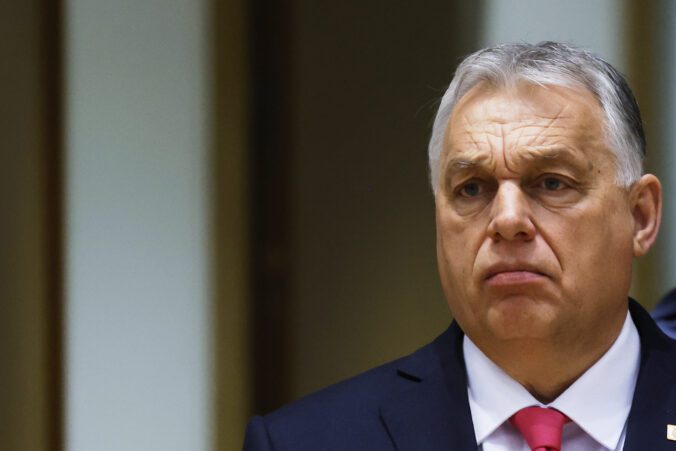
Hungary occupies a unique position within the European Union. Under the leadership of Prime Minister Viktor Orbán, the country has often taken a sovereign stance against Brussels and some of the foreign policy directions favored by the West. This sets the stage for Vance’s visit to be seen as not just a diplomatic meeting but a potential endorsement of Hungary’s current political trajectory.
Political Signal and Timing
The presence of a high-ranking U.S. official in Budapest can be perceived as a manifestation of support for stability or as an effort to bolster transatlantic ties. However, given the upcoming elections, every diplomatic gesture takes on added political sensitivity. The implications of such a visit are manifold, influencing not only international relations but also domestic political narratives.
The U.S. and Central Europe
The United States has long emphasized the importance of Central Europe, especially in the context of the ongoing conflict in Ukraine and the broader landscape of energy security. Hungary, however, has often adopted a divergent stance regarding sanctions on Russia, advocating for a more pragmatic approach. This divergence presents both a challenge and an opportunity for U.S. diplomacy.
Domestic Political Dimensions
Within Hungary, the opposition might interpret Vance’s visit in various ways—either as a validation of the government’s international legitimacy or as an unwelcome intervention in the domestic political arena. This duality reflects the complex interplay of international diplomacy and local political dynamics.
Geopolitical Context
Central Europe today is a focal point in global security policy. Decisions made in Budapest have ramifications that extend across the entire EU. Thus, Vice President Vance’s visit is more than a ceremonial event; it is a diplomatic act with potentially wide-reaching consequences. The symbolic nature of such visits often plays into a larger strategic narrative in an era marked by global tensions.
Impact on Elections
While the immediate impact of the visit on Hungary’s election outcome may be limited, it could enhance Hungary’s image as a pivotal partner for the U.S. in the region. In an age of global geopolitical tensions, every symbolic step is part of a broader strategic game, and this visit is no exception.
For more updates on this developing story, visit Live World Updates.
Geography of the Event:
Continent: Europe
Country: Hungary
City: Budapest
#Geopolitics #HungaryElections #USForeignPolicy #CentralEurope