
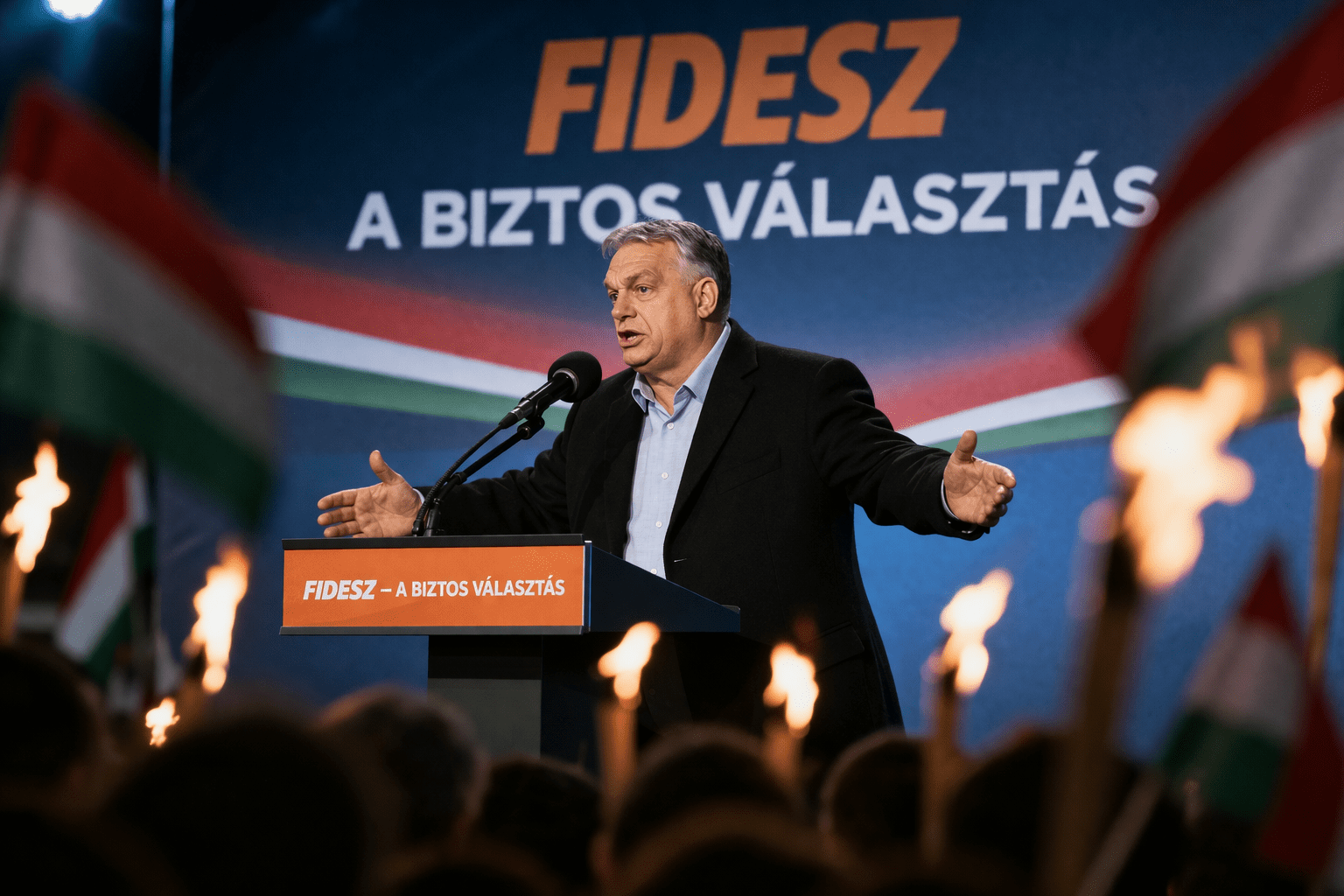
Viktor Orbán Raises Stakes: Hungarian PM Calls for Greater Than Two-thirds Majority
Summary:
- Viktor Orbán calls for a parliamentary majority greater than two-thirds
- Aims to ensure the country’s stability amid “historic challenges”
- Highlights economic measures and geopolitical tensions in his speech
- Comments on Ukraine and elections suggest continued hardline political rhetoric
Hungarian Prime Minister Viktor Orbán has once again heightened his political ambitions ahead of the upcoming elections. During a speech in the town of Törökszentmiklós, Orbán declared that the traditional two-thirds parliamentary majority might no longer suffice and that the country requires an even stronger mandate to tackle current challenges.
Orbán described the current period as “historically challenging” and emphasized the need for broad voter support. He set a specific target of securing around three million votes, which he believes would provide the government with sufficient legitimacy to make strategic decisions.
The speech was met with mixed reactions. At the beginning of the address, dissenting voices could be heard from the audience, indicating ongoing polarization within Hungarian society. In response, Orbán adopted a more conciliatory tone, reminding the audience that “at the end of the day, all Hungarians stand together” despite political differences.
In the subsequent part of his speech, Orbán defended the achievements of his government since 2022. He cited the implementation of additional pension measures, tax reliefs for families, and an increase in the country’s gold reserves. These steps were presented as evidence of the government’s stability and ability to respond to economic challenges amid geopolitical uncertainty.
A significant portion of the speech was dedicated to foreign policy issues, particularly relations with Ukraine. Orbán highlighted energy security and indicated that Hungary would adopt a tougher stance on energy supply issues. He also expressed concerns about potential interference by foreign actors in domestic politics, a recurring theme in the region.
Analysts suggest that Orbán’s strategy aims to mobilize voters by combining economic arguments with security topics. This approach may prove effective, especially in times of uncertainty, but it also deepens political tensions within the country.
In recent years, Hungary has emerged as a prominent player in Central Europe, with its political trajectory being closely monitored by international observers. For more in-depth analysis of regional developments, visit Live World Updates, which covers the broader context of political decisions in Europe.
Analytical Conclusion:
Orbán’s call for a mandate stronger than the constitutional majority reflects a bid to consolidate political control during a period of growing uncertainty. It also indicates that political competition in Hungary remains intense, with the election outcome likely to have a significant impact on the country’s and the region’s future direction.
Geography: Hungary
Hashtags: #HungaryElections #ViktorOrban #CentralEurope #PoliticalStrategy